Table of Contents
- Washington Home Selling
- Which Areas in Washington Offer the Best Return on Investment and Are Easiest for Residential Property Development?
- What Home Styles, Sizes, and Features Tend to Sell Fastest in the Washington Market?
- What Should Home Sellers Know About Zoning Laws, Permits, and Regulatory Requirements in Washington?
- Which Towns or Cities in Washington Are the Easiest, and Hardest, When It Comes to Navigating Real Estate Regulations?
- What Are the Most Effective Flipping and Resale Strategies for Maximizing Profit in the Washington Housing Market?
- How Should Sellers Price Their Homes to Attract Buyers While Maximizing Value in Washington?
- Which Key Economic, Social, and Regulatory Factors Are Driving Current Trends in Washington's Local Property Markets?
Washington Home Selling
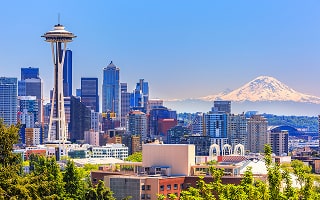
The Washington housing market remains one of the most stable in the Pacific Northwest, with a median home price of roughly $631,000 as of September 2025. This figure is well above the national median of around $435,000, as well as neighboring Oregon ($508,000) and Idaho ($495,000). Washington state's high demand and competitive property market make it an attractive region for residential investments and long-term returns.
Washington's real estate market continues to show strong buyer demand, with around 8,000 homes sold in September 2025, an increase of roughly 7% year over year. The ongoing demand in the state reflects buyers' appetite for homes, even amid sustained higher prices, and potential for solid returns.
In September 2025, the typical home in Washington sold after spending just 35 days on the market (DOM), outpacing the national median of 51 days. For investors, this means properties move relatively quickly, supporting steady turnover. However, it's still important to price competitively to avoid extended holding costs and other drawbacks of sitting on the market for too long.
In 2024, Washington issued roughly 4.75 privately owned new construction housing permits per 1,000 residents, slightly ahead of the national rate of 4.35 per 1,000. With above-average permit authorizations, investors may have more opportunities to tap into growing neighborhoods for potential rental opportunities, flips, and future price appreciation.
Washington has a relatively competitive property tax rate of 0.84% that's roughly in line with the U.S. median. The median annual property tax bill in Washington is $4,361, making it more affordable than many high-tax states.
In terms of foreclosure activity, Washington recorded 1 foreclosure in every 2,335 housing units in Q3 2025. Though foreclosure activity jumped in the state year over year, Washington's foreclosure rate remained considerably lower than the national median of around 1 in 1,850. The state's foreclosure rate means that there are some opportunities for investors to acquire distressed assets at below-market prices, but reflects a relatively stable housing environment.
Washington's metrics indicate that the housing market stands out with fast sales, elevated prices, new construction activity, and moderate property taxes. Although homes in The Evergreen State are less affordable than in neighboring Oregon and Idaho, savvy investors can find long-term growth opportunities, rental income investments, and occasional below-market deals.
Which Areas in Washington Offer the Best Return on Investment and Are Easiest for Residential Property Development?
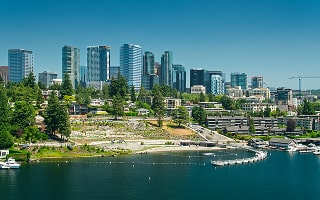
Washington's diverse real estate landscape offers investors and developers investment opportunities across different property types and real estate markets. Here are ten areas that may offer the best balance between potential return on investment (ROI) and ease of residential property development.
-
Seattle: Median home prices are about $823,000, fueled by tech demand and tight supply. Homes sell in a few weeks, though investors should factor in Mandatory Housing Affordability (MHA) fees and design review timelines. Upcoming Link light rail extensions further support transit-oriented development (TOD)-driven price growth.
-
Spokane: Spokane is a yield market with high demand for rental properties. The median sale price in Spokane was $370,000 as of September 2025, with average rent costs of around $1,600. Also, House Bill 1110 allows more housing options, like duplexes and fourplexes, in areas that were once limited to single-family homes, boosting supply and affordability.
-
Bellevue: After hitting all-time highs of more than $1.75 million, median home prices in Bellevue sit at around $1.5 million, with homes selling in a few weeks and a price per square foot of around $718. The area's appeal is reinforced by the East Link starter line, boosting TOD value, though investors should expect higher carry costs and stricter energy code compliance.
-
Vancouver: With median home prices around $490,583 (up 7.7% year over year) and homes selling in under two months, Vancouver benefits from Portland-metro proximity, offering commuters and investors promising ROI potential.
-
Bellingham: Home to Western Washington University's and its more than 14,000 students, Bellingham offers steady demand for housing. Generally, Bellingham homes sell within a few weeks, with the average rent around $1,966. The median home price is around $653,000, up 4% year over year.
-
Olympia: Olympia's stable government employment base attracts professionals, while Evergreen State College brings an influx of student renters into the city. With a median home price of around $515,000 and homes selling in under two months, Olympia offers a relatively affordable real estate market that's ideal for long-term investors.
-
Tacoma: With median home prices of a round $480,000, Tacoma has strong potential for real estate investors thanks to its active job market and consistent rental demand. Homes in Tacoma typically sell within 20 days of listing, making it a highly competitive market.
-
Yakima: Yakima has a lower cost of living than Western Washington, attracting families and young professionals. The median home price is around $439,990, and homes sell in under two months, making it ideal for investors seeking reliable rental income and price appreciation.
-
Everett: Transit-oriented development makes it easier for investors to build or redevelop in Everett. With a median home price of $611,000 and homes selling in just a few weeks, Everett combines fast turnover, affordability, and long-term growth prospects.
-
Redmond: The median property price in Redmond is around $1.4 million, with most homes selling relatively quickly. Redmond remains a seller's market in 2025, with buyer demand outpacing the available supply. Redmond's appeal is also strengthened by the East Link starter line, which drives TOD value, but as with other high-priced areas, investors should plan for higher carry costs.
What Home Styles, Sizes, and Features Tend to Sell Fastest in the Washington Market?
Homes in Washington sold in roughly 35 days in September 2025, highlighting strong buyer demand, low inventory, and a competitive real estate environment across the state. In certain highly competitive areas like Brier and Lynwood, homes may sell within two weeks or less.
Based on Washington's current housing dynamics, here are some of the key features that help homes sell fast.
-
![]()
Bedrooms: 3- to 4-bedroom, 2-bath homes sell quickly in family-friendly suburbs, such as Issaquah, Redmond, and Lacey. They offer enough space for families, home offices, and guests, without unnecessary expenses for upkeep. In cities like Seattle, 1- to 2-bedroom condos with luxury features attract quick offers from young professionals.
-
![]()
Size and Lot: Homes sized between 1,500 and 2,500 square feet on 0.25- to 0.5-acre lots are popular in places such as Spokane and the Tri-Cities. Properties that meet these criteria are also common in Pierce County suburbs, where buyers can enjoy the balance of spacious interiors, manageable yards, and outdoor flexibility that's ideal for patios, gardens, or accessory dwelling units (ADUs). Additionally, homes with alley access or deep lots sell fast in places like Seattle, Spokane's downtown core, and Tacoma, where ADUs are hot.
-
![]()
Style: Craftsman bungalows in cities like Bellingham and Olympia are especially popular for their vacation-rental appeal, often selling within a few weeks. In areas like the Tri-Cities, modern farmhouses and contemporary ranch homes with open layouts attract retirees and remote workers looking for comfort and style. Meanwhile, urban condos and townhomes in places like Seattle, Bellevue, and downtown Spokane offer easy, low-maintenance living, selling within days due to high demand and limited supply.
-
![]()
Modern Upgrades: Homes with open layouts, modern kitchens, and energy-efficient upgrades sell quickly and usually command higher prices. Features like quality insulation, heat-pump water heaters, heat-pump HVAC systems, and double-pane windows help listings stand out. In tech-focused markets like Redmond and Issaquah, EV charging setups, video doorbells, and smart home features are a must-have, and can help accelerate home sales.


What Should Home Sellers Know About Zoning Laws, Permits, and Regulatory Requirements in Washington?

Before listing or renovating a home, sellers and developers in Washington should request a permit history and code enforcement letter (open/closed cases) from the local planning or building department. Some cities and counties also offer a formal zoning verification letter. Buyers routinely request this document to confirm that the property's existing or proposed use conforms to local codes and has no open zoning-related violations. Obtaining the document can help ensure a clean title and potentially avoid last-minute hurdles.
To maximize ROI and avoid legal complications, Washington home sellers must proactively verify zoning compliance, permit history, and regulatory requirements. Undisclosed violations may delay sales, lead to lawsuits, or lower a home's value. Here's a look at how these rules vary across different Washington real estate markets:
Strict Zoning Laws
These are areas with strict land-use controls, such as setback limits, lot size coverage, and permitted uses. In most cases getting extensions is usually difficult:
- Seattle (King County): Seattle enforces strict land-use laws under the Seattle Land Use Code. Single-family zones have tight restrictions, and rezoning is detailed and limited. The Environmentally Critical Areas (ECA) Code limits building in sensitive areas like wetlands or steep slopes. In addition, under the MHA, new development must either include affordable units or contribution payments.
- San Juan County: Under the Growth Management Act, rural lands can't be divided into lots smaller than five acres unless there's access to sewer services. In addition, the Shoreline Master Program requires a 200-foot buffer from the water, meaning property developers can't build new structures or expand homes closer to the water.
- Redmond (Eastside, King County): In Redmond, zoning regulations determine the design, building height, parking standards, and how much of the lot you can build on. Any changes outside the code require approval from the Design Review Board.
Less Bureaucratic Zoning Laws
These local markets within Washington offer more flexible land-use codes, online permitting, and fewer layers of review.
- Spokane (Spokane County): The city offers pre-approved ADU designs, which makes the permitting process faster and simpler. Homeowners requiring additional uses, such as small home offices, are approved over the counter.
- Vancouver (Clark County): Obtaining a building permit is quick and easy with the county's online permitting portal. Most applications are approved within a few business days.
- Kennewick (Benton County): Residential zoning outlines the types of buildings allowed, including height limits, and the floor area ratio relative to the lot size. Its online permitting allows you to check rules and monitor your application.
Require a Special Permit via a Public Hearing and Approval
Projects that exceed by-right entitlements, conditional uses, rezonings, or significant deviations must go before a hearing examiner or zoning board.
- Unincorporated Areas of King County: Obtaining approval for certain property uses, such as home businesses or temporary events, requires a Conditional Use Permit. It typically involves a formal public notice and a review by the Hearing Examiner.
- Snohomish County: Snohomish County requires reviews by planning staff and a public hearing process to rezone land, build a large housing development, or start a commercial or multifamily project.
- Pierce County (Tacoma Metro): Pierce County requires an application for a special permit if you use a residential property for something other than housing, like a church or daycare. The request goes to the Pierce County Hearing Examiner.
Need For a Certificate of Occupancy (CO)
-
All Counties: Under the Washington State Building Code, a CO (or final inspection approval) is required before occupancy for new construction, following substantial alterations, or any change of use. Closings can occur without a CO, but you cannot legally occupy until it's issued. Utilities and final meter readings are typically held until final approval.
Historic Commission Review
Properties designated as landmarks or located in conservation districts require design review approvals for exterior work, material changes, and color schemes, usually adding months to the project's timeline.
- Seattle's Pioneer Square: In Seattle's Pioneer Square, buildings must follow strict historic rules. Owners are required to keep original features like brick walls, window shapes, and decorative roof edges when remodeling or rebuilding.
- City of Tacoma: In Tacoma's North Slope and Stadium Districts, any changes to a building's exterior, including the windows or roof, must match the original historic style. The Tacoma Landmarks Preservation Commission must review these updates to ensure they keep the area's old-fashioned look. Reviews usually cover street-visible exterior work and materials, plan lead time, and traditional materials costs.
- Port Townsend Historic District: In Port Townsend's Historic District, any building requiring changes to the external facade, such as color, windows, new additions, and accessory structures, requires approval from the Historic Preservation Committee.
Which Towns or Cities in Washington Are the Easiest, and Hardest, When It Comes to Navigating Real Estate Regulations?

Navigating Washington's mix of local land-use and building rules can make or break a project timeline and budget. While some real estate markets welcome development, others require public reviews and layers of permits. Below is a breakdown of property markets in Washington that are builder friendly, and the ones that require extra time and planning.
Development-Friendly Areas
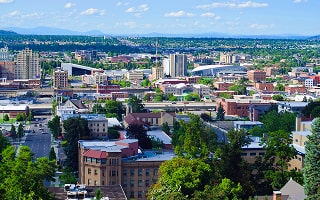
- Spokane: The approval process for minor projects, such as ADUs, home offices, or small rentals, is generally fast and efficient. Through House Bill 1337, homeowners may split duplexes or triplexes in Spokane without needing public hearings. The city also offers pre-approved ADU designs, helping issue permits quickly, often within weeks, saving time and streamlining development.
- Vancouver: The ePlans portal processes single-family, duplex, and ADU permits within a few days. The city also offers expedited reviews for smaller projects. In downtown areas, mixed-use zoning is already approved "by right," meaning special hearings aren't required for approval when certain conditions are met.
- Benton County (Tri-Cities): Benton County uses straightforward residential zoning (R-1 to R-4), making it easy to decide what developers and owners can legally build on a property. The county's Building Division, whose staff includes inspectors, the fire marshal, and a permit technician, operates quickly and efficiently to help new home plans get quick approvals.
- Pasco/Kennewick: In Pasco and Kennewick, the local economic development offices support builders by offering fee waivers and speeding up permit reviews.
- Olympia (Thurston County): Olympia encourages development with incentives through its Housing Action Plan. The city also holds regular pre-submission conferences, helping builders understand requirements early and avoid delays.
Moderately Regulated Areas
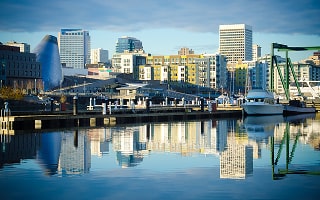
- Tacoma (Pierce County): In Tacoma, projects in historic districts face public notice and design review requirements. For projects near light rail stations, transit-oriented development rules grant parking waivers, but only if affordability conditions are met.
- Bellevue (King County): Bellevue requires pre-application conferences for some development projects. Builders must also meet the strict King County code amendments, which impose additional restrictions on top of existing Washington State Energy Code requirements.
- Everett (Snohomish County): In Everett, projects near the shoreline or that exceed height limits often need to meet the conditions on Shoreline Permits, which may add review steps. However, the city streamlines the process with online submissions and assigns a dedicated plan checker to guide applicants, reducing delays.
- Bellingham (Whatcom County): Although historic design rules require extra review for exterior changes in Bellingham, the city makes housing projects easier with its permitting system.
- Redmond (Eastside, King County): Redmond, through Ordinance 3186, enforces strict rules on building design, materials, and the extent to which a plot may be developed. However, the city offers early design guidance meetings to help applicants align their projects with these standards from the outset.
Highly Restrictive or Bureaucratic Areas
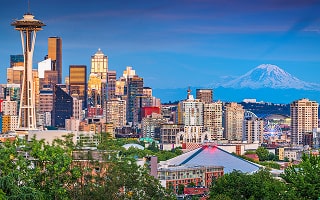
- Seattle (King County): Seattle's Land Use Code, ECA Code, and design review add time and cost to projects. The ECA Code protects sensitive land like wetlands, steep slopes, and streams by requiring buffers, studies, and extra steps before building. In mapped areas, the MHA program requires developers to provide affordable units or pay fees, making it a key factor for investors to underwrite.
- San Juan County: San Juan County enforces strict rural development rules under the Growth Management Act, limiting density to one home per five acres in areas without sewer service. Along the water, the Shoreline Master Program adds 200-foot buffers, making shoreline construction or expansion highly restricted.
- Mercer Island (King County): The Community Planning and Development Division enforces the zoning rules in the city. Mercer Island tightly regulates development through lot coverage and floor area ratio (FAR) limits, capping home size and bulk. Adding an ADU or pursuing a short plat faces extra scrutiny with public hearings, while exterior changes must go through the design review board.
- Bainbridge Island (Kitsap County): Bainbridge enforces development buffers near wetlands and shorelines. Projects near the coasts must go through the Shoreline Master Program review. While designated historic properties were previously subject to review by the Historic Planning Committee (HPC), the Planning Commission took over that responsibility following a mass resignation by committee members in 2024.
- Edmonds (Snohomish County): Development in Edmonds is shaped by multiple overlays, including shoreline, historic, and form-based districts. Projects in these areas require separate applications and reviews, often including public hearings, adding time and complexity for investors.
Regulatory Climate Factors

Washington's rules for building, renovating, or flipping properties vary widely by city or county. These local differences affect both the speed and cost of real estate projects. The table below highlights major zoning and permitting factors, what they mean for developers, and where they're most common across the state.
| Factor | Impact on Development | Where It's Found |
|---|---|---|
Zoning Flexibility |
Determines ease of land use |
Spokane, Vancouver, Olympia, Tri-Cities (Pasco/Kennewick/Richland) |
Historic Preservation Laws |
Adds restrictions |
Seattle Landmark Districts (Pioneer Square and Capitol Hill), Tacoma Old Town and Stadium, Port Townsend Historic District, and San Juan County |
Wetlands/Conservation |
Limits buildable land |
Seattle, Bellevue, Tacoma, Bainbridge Island, Snohomish County Shorelines, Kitsap County (Poulsbo and Suquamish), and portions of King County near the Green-Duwamish River |
Affordable Incentives |
Requires affordable units |
Seattle, Bellevue, Everett, and Redmond/Kirkland |
Building Code Enforcement |
Affects cost/speed |
King County unincorporated areas and Tacoma |
Local Politics/NIMBYism* |
Blocks or delays projects |
Mercer Island, Edmonds, Shoreline, Bainbridge Island, neighborhoods in Kirkland, and parts of West Bellevue |
*NIMBYism - Not in My Backyard
What Are the Most Effective Flipping and Resale Strategies for Maximizing Profit in the Washington Housing Market?

With homes in Washington selling in just 35 days versus 51 days nationally, flippers and resellers must employ targeted strategies to secure deals, minimize holding costs, and maximize returns. Here are the most effective flipping and resale strategies to maximize profits:
-
![]()
Targeting Distressed or Foreclosed Homes: Washington has 1 foreclosure per 2,335 homes, ranking 33rd nationwide, with Mason, Spokane, and Pierce County having higher foreclosure rates. These counties pave the way for experienced investors to acquire discounted properties owned by the bank or at auction.
-
![]()
Using the 70% Rule: In Washington, especially in pricey areas like Seattle, buying a property for no more than 70% of its after-repair value (ARV) minus rehab costs, can help protect your profit. With high labor and permit costs, the 70% rule works as a cushion to help preserve your profit margin, even if the market dips.
-
![]()
Wholetailing for Speed: In fast-moving Washington suburbs like Spokane Valley, Bremerton, Kennewick, and Lacey, move-in-ready homes sell within a few weeks. Wholetailing, which involves doing light cosmetic upgrades like painting, flooring, or garage door swaps, lets you relist the property quickly and command a higher asking price. These upgrades typically don't require permits or major capital, but help investors maximize profit.
-
![]()
Employing the BRRRR Method (Buy, Rehab, Rent, Refinance, Repeat): The BRRRR method works well in high-rent areas like Redmond, Issaquah, Bellingham, Seattle, and Bellevue, where rental demand is strong. Investors buy distressed properties, rehab them, rent them out, and then secure a cash-out refinance to pull out enough equity for the next deal. BRRRR offers a strong long-term strategy for building cash flow and portfolio growth.
-
![]()
Micro-Flipping (Digital Wholesaling): Micro-flipping works well in Washington's hottest markets, such as Seattle, Bellevue, and Tacoma, where demand is high and inventory moves fast. Micro-flipping consists of quickly buying and reselling properties without renovating them. Micro-flipping deals often happen entirely online. Therefore, success depends on strong digital lead generation, access to motivated sellers, speed, and streamlined due diligence.
-
![]()
Value-Add Flipping (Going Beyond Cosmetic Work): In Washington, especially places like Seattle, Tacoma, and Puget Sound suburbs, converting homes to include ADUs or duplex layouts may raise property value. These upgrades meet the rental demand in these areas for flexible living spaces. Value-add flipping makes the property attractive to buyers while boosting resale value.
-
![]()
Buying at Auction and Off-Market: In Washington's tight housing market, finding off-market deals in competitive areas like Seattle, Bellevue, and Vancouver can give investors an edge. Off-market buying strategies, such as reaching out to absentee owners, checking probate records, or connecting with local agents, often lead to better prices and less competition. In addition, public auctions, especially sheriff sales in smaller counties, offer great investment opportunities.
-
![]()
Staging and Strategic Pricing: Staging a home makes it more appealing and helps it sell quickly. A well-staged home makes it easier for buyers to picture themselves living in the property. Pairing home staging and smart pricing strategies can attract more online views and create a sense of urgency. This strategy works in cities such as Redmond, Tacoma, Spokane, and Bellingham.


How Should Sellers Price Their Homes to Attract Buyers While Maximizing Value in Washington?

The most crucial step to ensuring that your Washington home sells fast and nets you a profit is working with an experienced local real estate agent or licensed appraiser. Usually, the agent or appraiser completes a 90-day Comparative Market Analysis (CMA). The CMA helps you set the right price based on similar nearby homes that are active, pending, or recently sold. Here are some proven strategies for pricing your homes to attract buyers, and the Washington markets where each tends to perform best:
-
![]() Pricing Just Below Below Market Thresholds: This strategy lists a home just under a round number, like $499,900 instead of $500,000. Pricing below market thresholds can boost visibility in online searches, potentially leading to quick offers and a higher sale price. It works well in high-demand areas like Bellevue, Redmond, Tacoma, Kent, and Renton, where competition is high.
Pricing Just Below Below Market Thresholds: This strategy lists a home just under a round number, like $499,900 instead of $500,000. Pricing below market thresholds can boost visibility in online searches, potentially leading to quick offers and a higher sale price. It works well in high-demand areas like Bellevue, Redmond, Tacoma, Kent, and Renton, where competition is high.
-
![]() Charm Pricing (Psychological Pricing): Charm pricing suggests ending your list price with numbers like "700" or "900" (for example, $589,900 instead of $590,000) to subtly suggest better value. This pricing strategy is effective in price-sensitive markets such as Spokane, Bellingham, Yakima, and Vancouver, where millennial buyers tend to dominate. Charm pricing helps your listing stand out among similarly-priced homes, potentially shortening days on the market.
Charm Pricing (Psychological Pricing): Charm pricing suggests ending your list price with numbers like "700" or "900" (for example, $589,900 instead of $590,000) to subtly suggest better value. This pricing strategy is effective in price-sensitive markets such as Spokane, Bellingham, Yakima, and Vancouver, where millennial buyers tend to dominate. Charm pricing helps your listing stand out among similarly-priced homes, potentially shortening days on the market.
-
![]() Pricing to Create a Bidding War: This strategy involves listing your home just below market value, like $899,000 for a $900,000-$950,000 property, to attract more buyers and create competition. It works best in high-demand neighborhoods where inventory is tight, such as Issaquah, Redmond, Kirkland, and top Seattle/Bellevue school districts like Montlake or Medina. By generating multiple offers, sellers often push the final sale price above the initial list price.
Pricing to Create a Bidding War: This strategy involves listing your home just below market value, like $899,000 for a $900,000-$950,000 property, to attract more buyers and create competition. It works best in high-demand neighborhoods where inventory is tight, such as Issaquah, Redmond, Kirkland, and top Seattle/Bellevue school districts like Montlake or Medina. By generating multiple offers, sellers often push the final sale price above the initial list price.
-
![]() High-Anchor Pricing (Test the Waters): High-anchor pricing means listing your home at the upper end of its market range, like $1.15 million for a $1 million-$1.15 million property, to test buyer interest while leaving room to negotiate. It's most effective for unique or high-end properties in places such as Mercer Island, Kirkland Waterfront, Edmonds, or Bainbridge Island, where water views, ADUs, or estate features justify premium pricing.
High-Anchor Pricing (Test the Waters): High-anchor pricing means listing your home at the upper end of its market range, like $1.15 million for a $1 million-$1.15 million property, to test buyer interest while leaving room to negotiate. It's most effective for unique or high-end properties in places such as Mercer Island, Kirkland Waterfront, Edmonds, or Bainbridge Island, where water views, ADUs, or estate features justify premium pricing.
-
![]() Price-Per-Square-Foot Benchmarking: This strategy involves pricing your home based on the local average price per square foot to match buyers' expectations. Price-per-square-foot benchmarking works best in neighborhoods with uniform housing, such as Pierce County subdivisions or downtown Vancouver condos.
Price-Per-Square-Foot Benchmarking: This strategy involves pricing your home based on the local average price per square foot to match buyers' expectations. Price-per-square-foot benchmarking works best in neighborhoods with uniform housing, such as Pierce County subdivisions or downtown Vancouver condos.
-
![]() Appraisal-Backed Pricing: This strategy involves setting your list price close to or just below the expected appraised value. It's especially effective in markets like Tacoma, Olympia, and Yakima, where many buyers rely on government-backed financing (FHA, VA, and USDA loans) and can't afford to cover large appraisal gaps.
Appraisal-Backed Pricing: This strategy involves setting your list price close to or just below the expected appraised value. It's especially effective in markets like Tacoma, Olympia, and Yakima, where many buyers rely on government-backed financing (FHA, VA, and USDA loans) and can't afford to cover large appraisal gaps.
-
![]() Net-to-Seller Pricing: This method starts with the amount you want to clear after selling, for example, $425,000, and works backward to set your listing price. Along with agent commissions and closing costs, Washington sellers should also budget for real estate transfer taxes, title and escrow fees, HOA resale documents, and, in some cities, sewer capacity charges. These costs can materially affect net proceeds, making this strategy especially valuable in markets like Burien, Renton, and Benton County.
Net-to-Seller Pricing: This method starts with the amount you want to clear after selling, for example, $425,000, and works backward to set your listing price. Along with agent commissions and closing costs, Washington sellers should also budget for real estate transfer taxes, title and escrow fees, HOA resale documents, and, in some cities, sewer capacity charges. These costs can materially affect net proceeds, making this strategy especially valuable in markets like Burien, Renton, and Benton County.
-
![]() Urgency Pricing (Motivated Seller Strategy): Urgency pricing is used when sellers need to move quickly due to unforeseen circumstances, such as job relocation, divorce, or an estate sale. It involves listing the home below market value to attract immediate interest and fast offers. This strategy creates a sense of urgency and competition, usually reducing days on the market. Urgency pricing works well in commuter towns, such as Everett and Mukilteo, and vacation spots like Leavenworth.
Urgency Pricing (Motivated Seller Strategy): Urgency pricing is used when sellers need to move quickly due to unforeseen circumstances, such as job relocation, divorce, or an estate sale. It involves listing the home below market value to attract immediate interest and fast offers. This strategy creates a sense of urgency and competition, usually reducing days on the market. Urgency pricing works well in commuter towns, such as Everett and Mukilteo, and vacation spots like Leavenworth.


To maximize your sale price and sell quickly in Washington's competitive real estate market, use the table below to choose the pricing tactic that aligns with your property type and local market conditions:
| Market Condition | Best Strategy |
|---|---|
Seller's Market |
Underpricing for a bidding war |
Buyer's Market |
Charm pricing or net-to-seller |
Unique, luxury home |
High-anchor + value justification |
Entry-level home |
Just below threshold |
Urgent sale needed |
Aggressive urgency pricing |
Flipper or investor listing |
Appraisal-backed or price-per-square-foot |
Which Key Economic, Social, and Regulatory Factors Are Driving Current Trends in Washington's Local Property Markets?

The housing market remains strong in Washington. Home prices are elevated while sales are quick and inventory remains limited. The following factors are shaping the real estate market in Washington.
![]() Economic Factors
Economic Factors
 Economic Factors
The Washington housing market outpaces much of the country. Median home prices reached all-time highs of $665,000 in June 2025, with the number of closed sales rising to around 8,000 per month in Q3. In 2024, the state authorized new home construction permits at a pace that exceeded the national rate, with 4.75 residential building permits per 1,000 residents. Construction growth is strong in the Puget Sound area, where housing demand is highest. More homes under construction mean more choices for buyers and a possible slowdown in price appreciation, if supply catches up to demand.
The cost of living in the Seattle area continues to rise, with noticeable increases in energy bills and housing costs. While inflation has cooled compared to previous years, everyday expenses are still rising, adding pressure for many homebuyers across Washington, especially those purchasing for the first time. The gap between wages and rising costs makes it harder for families across Washington to keep up.
![]() Demographic and Social Factors
Demographic and Social Factors
 Demographic and Social Factors
Washington has experienced steady population growth in recent years, driven by people moving to the state for jobs in healthcare, tech, and trade. Newcomers continue to boost high demand for housing, especially near major job centers. In addition, Washington's population is slightly younger than the national average, which helps drive demand for starter homes and homes in family-friendly neighborhoods. Furthermore, many buyers now prioritize walkability, parks, and mixed-use living over long commutes. Most buyers prefer purchasing properties with outdoor spaces, transit access, and local restaurant options.
![]() Regulatory and Legal Framework
Regulatory and Legal Framework
 Regulatory and Legal Framework
Washington does not have statewide rent controls, but zoning rules differ by municipality. Some cities, like Seattle, have strict single-family zoning with special rules that require developers to include affordable housing. Other cities, like Spokane, offer more flexible zoning and easier approval for ADUs and multifamily builds. Throughout the entire state, there are strong protections for shorelines, wetlands, and historic sites. In some areas, developers must follow strict buffer rules and conduct environmental studies.
![]() Taxation and Fiscal Policy
Taxation and Fiscal Policy
 Taxation and Fiscal Policy
Washington does not have a state personal income tax, making the state attractive to high-income earners and business owners. This tax setup encourages spending and investment, especially in real estate in the state. Washington's average property tax rate is about 0.84%, which is right around the national median. The moderate real estate tax rates make owning property more affordable compared to several other states with higher median prices or property tax rates.
![]() Housing Policy and Government Programs
Housing Policy and Government Programs
 Housing Policy and Government Programs
The Washington Housing Finance Commission (WHFC) assists people in becoming homeowners by offering special mortgage options and down payment assistance, especially for first-time buyers. WHFC's support may reduce upfront costs and monthly payments, making it easier for working families to buy a home.
In cities like Seattle and Bellevue, developers may build bigger projects if they include affordable housing or pay fees into local housing funds. Programs like Seattle's MHA and Bellevue's incentives for affordable housing aim to balance new development with community needs, increasing the supply of lower-cost homes in high-demand areas.
![]() Infrastructure and Development Trends
Infrastructure and Development Trends
 Infrastructure and Development Trends
New Link light rail routes to places like Lynnwood, Bellevue, and Federal Way are driving a boom in homes and businesses built near stations. These transit-friendly neighborhoods attract buyers who want an easy commute. Some houses near the rail often sell before construction is finished, reflecting a growing preference for car-free, walkable lifestyles.
![]() Market Sentiment and Investor Behavior
Market Sentiment and Investor Behavior
 Market Sentiment and Investor Behavior
Home prices are expected to continue rising in Washington, mainly due to tight housing supply and high demand, especially from workers in the growing tech industry. This outlook makes the state appealing for both homeowners and investors looking for steady gains. Also, foreclosure activity in Washington remains low compared to the rest of the country. With about one filing per 2,335 homes, the state's housing market is seen as stable. Fewer distressed properties mean less risk for buyers and a boost to homeowners' confidence.
The Washington housing market is underpinned by robust demand and constrained supply, fueled by strong jobs growth, particularly in technology, healthcare, and trade. However, housing costs and living expenses continue to rise, making the state among the more expensive in the Pacific Northwest. Demographically, Washington benefits from a younger workforce seeking starter and family homes alongside a growing retiree segment looking for low-maintenance living.
Regulatory landscapes vary across the state, with some areas having stricter zoning laws than others. Some areas require public hearings and approval by the local zoning board or planning commission; others enforce affordable-housing mandates, while some offer streamlined permitting and ADU-friendly rules. In Washington, a blend of targeted marketing and smart selling practices is essential to ensure quick, profitable sales. By partnering with a local agent or appraiser, you can choose from proven pricing tactics to maximize visibility, create urgency, and protect your net proceeds.
Table of Contents
- Washington Home Selling
- Which Areas in Washington Offer the Best Return on Investment and Are Easiest for Residential Property Development?
- What Home Styles, Sizes, and Features Tend to Sell Fastest in the Washington Market?
- What Should Home Sellers Know About Zoning Laws, Permits, and Regulatory Requirements in Washington?
- Which Towns or Cities in Washington Are the Easiest, and Hardest, When It Comes to Navigating Real Estate Regulations?
- What Are the Most Effective Flipping and Resale Strategies for Maximizing Profit in the Washington Housing Market?
- How Should Sellers Price Their Homes to Attract Buyers While Maximizing Value in Washington?
- Which Key Economic, Social, and Regulatory Factors Are Driving Current Trends in Washington's Local Property Markets?